


Director and Producer: Academy Award®-winning filmmaker Joanna Natasegara (The White Helmets, The Edge of Democracy), in her feature directorial debut.
Producers: Abigail Anketell-Jones, Lauren Dark and Vanessa Kirby.
Executive Producers: The RZA, Joe Gebbia, Jason Ropell, Abazar Khayami; David Kimbangi, Farhana Bhula and Ollie Madden for Film4; Trevor Burgess, Gary Hess and James Costa for Bird Street Productions.
Editors: Chloë Lambourne and Chris Dickens.
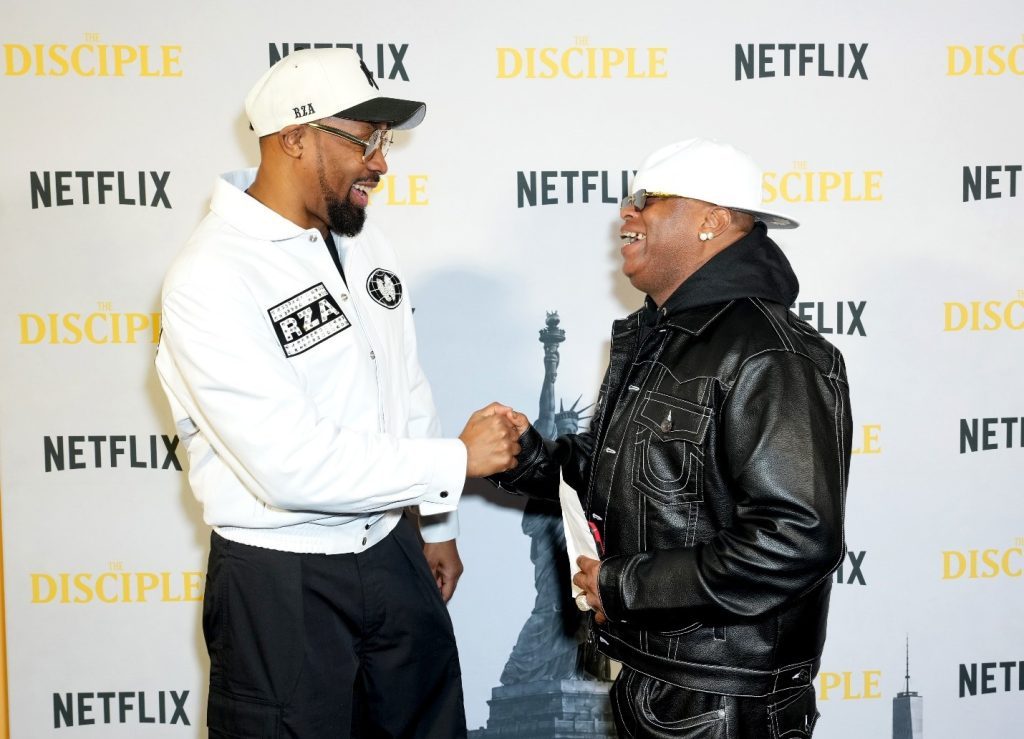
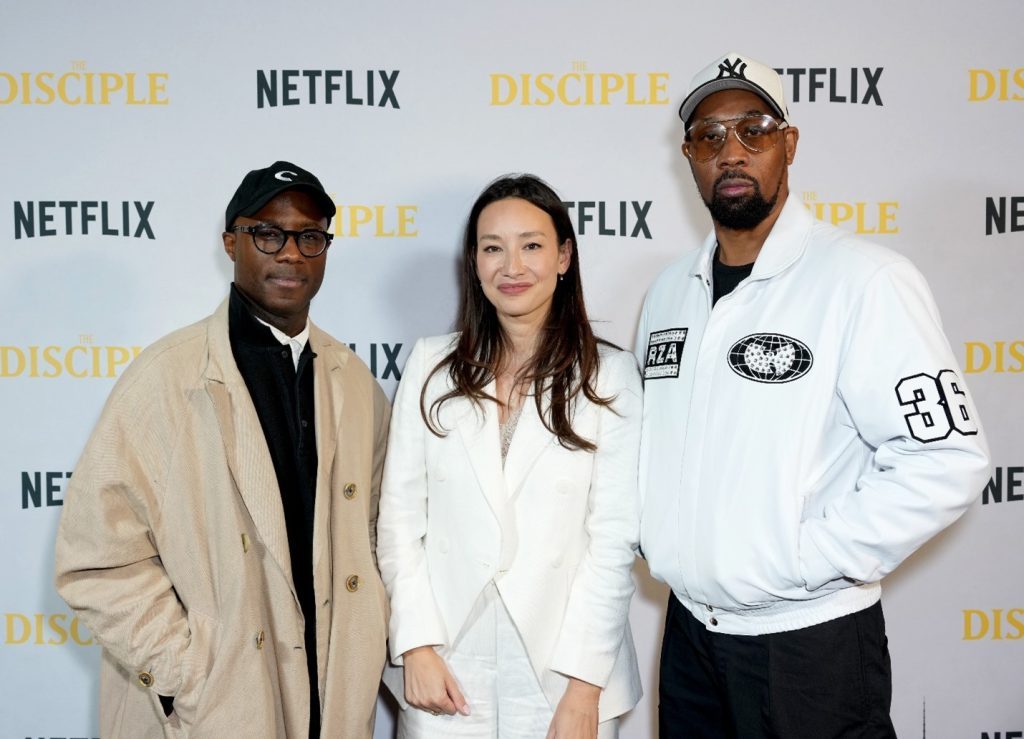
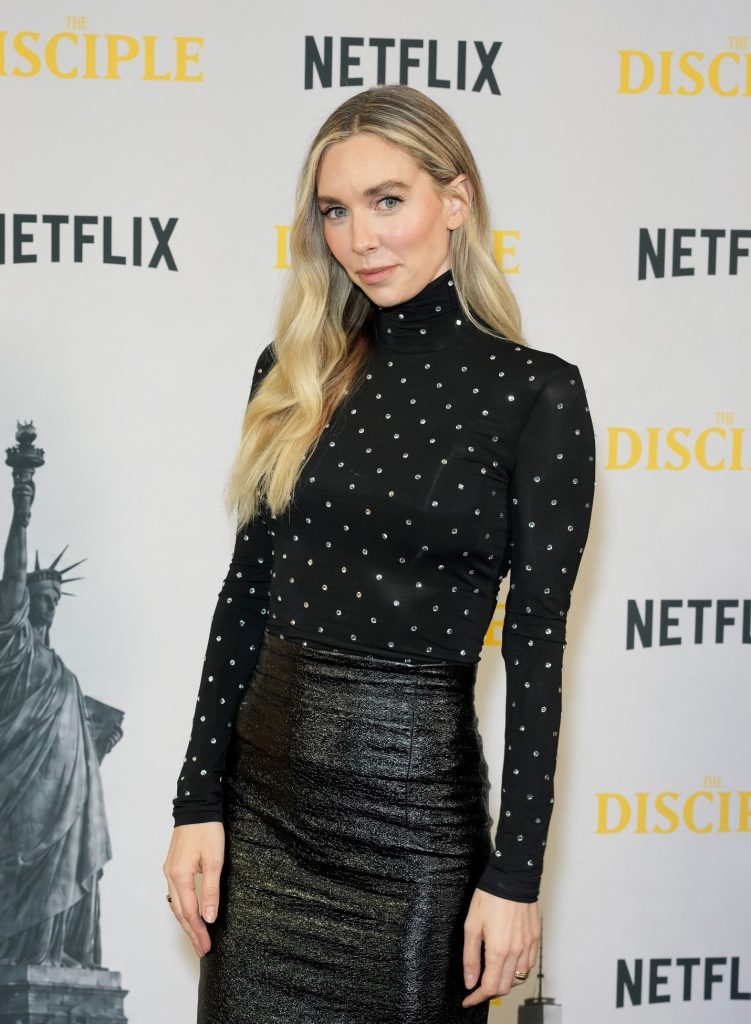
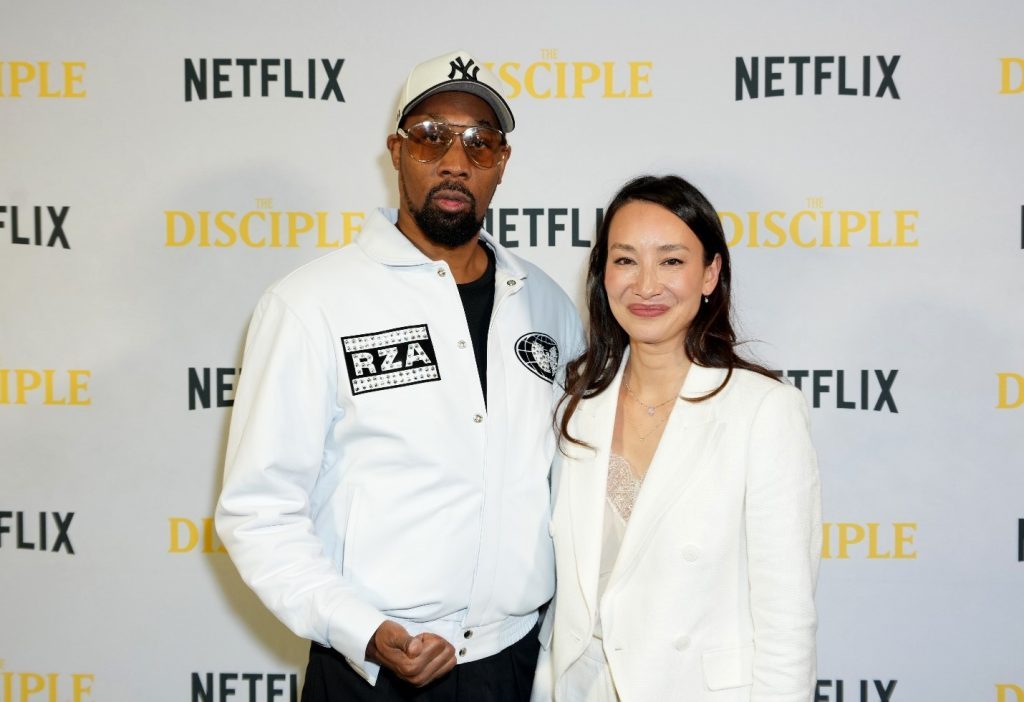
On Saturday, Netflix hosted the New York Special Screening of the documentary film THE DISCIPLE: A WU-TANG FABLE at the SVA Theater. Director Joanna Natasegara, the Academy Award®-winning filmmaker behind The White Helmets and The Edge of Democracy, celebrated her feature directorial debut alongside Executive Producer The RZA. They were joined by Producers Abigail Anketell-Jones,Lauren Dark and Vanessa Kirby, Executive Producer Abazar Khayami, and film participants Shifus and Shabazz of the Wu-Tang Clan, along with other industry guests. Following the screening, Joanna Natasegara and The RZA took part in a Q&A moderated by Barry Jenkins. Guests continued the celebration at a reception at Mr Chow.
ABOUT THE DISCIPLE: A WU-TANG FABLE
The true story of an outsider whose relentless determination catapults him into the Wu-Tang Clan's inner circle, where ambition and creativity converge to record an album destined to ignite global controversy.
Academy Award-winning producer Joanna Natasegara makes her feature directorial debut, tracing the decades-long journey of Dutch-Moroccan rapper and producer Cilvaringz, who transformed himself from the group's most devoted fan into the unlikeliest of disciples to his childhood heroes, including The RZA, whose mentorship shapes the odyssey that follows.
That journey culminates in Once Upon a Time in Shaolin, a 31-track album packaged in an ornate, handcrafted silver box and auctioned to the highest bidder in 2015. Only one copy will ever legally exist. Its scarcity is a form of protest, and an argument that music still holds intrinsic worth as art in a digital age.
The result is one of the most controversial artifacts of our time that sparked ongoing conversations about technology, creation and ownership. It's also a story about how far one outsider went to belong.